What Is Flooring Underlayment?
Flooring underlayment is a thin layer of material rolled out between your subfloor and your new floor, and it does three main jobs: it cushions the floor, softens sound, and helps guard against moisture. Depending on the type, underlayment can make a floor quieter and warmer underfoot, smooth out minor imperfections in the subfloor, and protect the flooring from damp rising through a concrete slab. It’s a small part of a flooring project that has a big effect on how the finished floor feels and how long it lasts. This guide covers whether you need underlayment, the different materials, which type suits your floor, and how to install it.
Do You Need Underlayment?
In most cases, yes — most floating floors need underlayment, and it’s strongly recommended for sound, comfort and moisture protection even when it isn’t strictly required. Whether you need it comes down to your floor type and whether padding is already built into the flooring.
When Underlayment Is Required
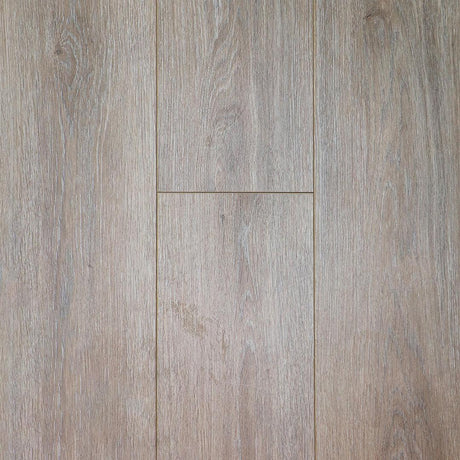
Underlayment is required for most floating floors — laminate and many vinyl plank and engineered hardwood floors that click together and “float” over the subfloor. These floors need a layer beneath them to cushion the click joints, reduce noise, and provide a moisture barrier over concrete. Glue-down and nailed floors have different requirements, so always check the flooring manufacturer’s instructions — installing without the specified underlayment can void the warranty.
When Your Floor Already Has an Attached Pad
Some laminate and vinyl plank products come with a pad already bonded to the back, and in that case you should not add a second foam underlayment. Doubling up on padding makes the floor too soft, which can stress the locking joints and cause them to fail. If your flooring has an attached pad, you may still need a separate moisture barrier over concrete — check the product’s instructions.
Types of Underlayment (by Material)
Underlayment comes in several materials — foam, felt, cork and rubber — each with different strengths in cushioning, sound reduction and moisture protection. The right underlayment material depends on your floor, your subfloor and what you want it to do.
Foam Underlayment
Foam is the most common and economical underlayment, a lightweight polyethylene padding that cushions the floor and softens sound. It’s the standard choice for laminate and floating floors, and it comes in standard and combination versions.
Standard Foam
Standard foam underlayment provides basic cushioning and sound absorption for floating floors over a dry, level subfloor. It’s the budget-friendly option where you don’t need a built-in moisture barrier.
Combination Foam with Vapour Barrier
Combination foam adds a built-in vapour barrier — a moisture-resistant film bonded to the foam — so it cushions and protects against damp in one product. It’s the go-to for floating floors over concrete.
When You Need a Moisture Barrier
You need a moisture barrier any time you’re installing over concrete or below grade, because concrete releases moisture that can damage laminate and wood floors. A combination foam or a separate vapour barrier keeps that moisture from reaching the flooring.
Felt Underlayment
Felt underlayment is a dense, recycled-fibre padding that offers excellent sound absorption and a solid, quiet feel underfoot. It’s a step up from foam for sound and support, and it’s a popular felt underlayment choice for engineered hardwood and quality laminate.
Cork Underlayment
Cork underlayment is a natural, dense material prized for sound reduction and thermal insulation, making it a strong choice under tile and hardwood, and in condos where sound between units matters. It also adds a little warmth and comfort underfoot.
Rubber Underlayment
Rubber underlayment offers the best sound and impact insulation of the common materials, along with durability and moisture resistance. It’s often used in high-traffic areas, commercial spaces and multi-unit buildings where quiet and resilience are priorities.
Underlayment by Floor Type
The best underlayment depends on the floor going over it, so match the underlayment to your flooring. Here’s the right pairing for the most common floors.
Laminate Underlayment
Laminate needs a foam or felt underlayment to cushion the click joints and soften sound, plus a vapour barrier over concrete. Don’t add extra foam if your laminate already has an attached pad.
Vinyl Plank (LVP) Underlayment
Vinyl plank is thinner and firmer, so it needs a thin, dense underlayment made for LVP — thick foam can flex the planks and stress the joints. Many vinyl plank products include an attached pad; if so, only add a moisture barrier over concrete.
Engineered Hardwood Underlayment
The best underlayment for engineered hardwood is a felt or cork product that gives solid support and quiet, with a vapour barrier over concrete. It suits the weight and feel of a floating engineered hardwood floor.
Tile Underlayment
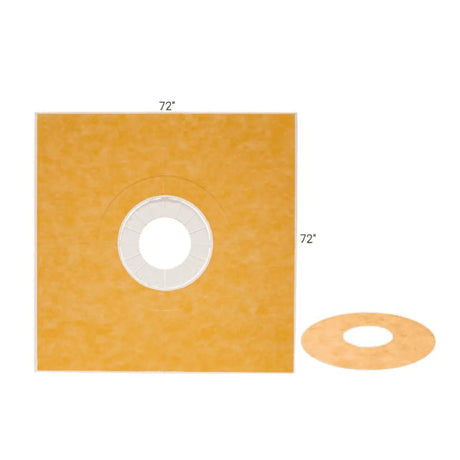
Tile uses a different kind of underlayment — an uncoupling membrane or backer board that isolates the tile from subfloor movement and prevents cracking. See our tile collection and ask our team about the right tile underlayment for your installation.
Sound & Moisture: Ratings to Know
Two things separate a basic underlayment from a premium one: how well it blocks sound and how well it stops moisture. Understanding the ratings helps you choose the right product, especially in condos and over concrete.
Soundproofing & STC / IIC Ratings
Underlayment can absolutely be used for soundproofing, and its performance is measured by STC and IIC ratings. STC (Sound Transmission Class) measures how well it blocks airborne sound like voices, while IIC (Impact Insulation Class) measures impact sound like footsteps. Higher numbers mean quieter floors — a key spec in condos and upper-floor rooms, where cork and rubber underlayments perform best.
Moisture Barrier Underlayment
A moisture barrier underlayment includes a vapour-resistant film that stops damp from rising into the floor — the main difference between standard and moisture-barrier underlayment. Standard foam only cushions; a moisture-barrier (or combination) underlayment cushions and protects, which is essential over concrete.
Concrete Slabs & Below-Grade Floors
Over a concrete slab, or in a basement or below-grade room, always use a moisture barrier, because concrete wicks moisture that can warp or ruin laminate and wood. Where moisture is a concern, a combination underlayment or a separate 6-mil poly vapour barrier under the underlayment is the safe approach.
Underlayment Thickness & Subfloor Prep
Underlayment thickness and a well-prepared subfloor decide how good the finished floor feels. The right thickness depends on your floor, and a level subfloor is essential before anything goes down.
How Thick Should Underlayment Be?
Most underlayment is between 1 and 3 mm thick, and the right thickness depends on your flooring — not “thicker is better.” Laminate typically uses 2–3 mm foam, while vinyl plank needs a thin, dense underlayment (around 1–1.5 mm) so the planks stay firmly supported. Always follow the flooring manufacturer’s thickness recommendation, and in a condo check your building’s requirements.
Underlayment & Uneven Subfloors
Underlayment smooths out minor imperfections, but it won’t fix a genuinely uneven subfloor. For small variations it bridges the gaps and helps prevent squeaks; for larger dips or high spots, level the subfloor first with a self-levelling compound or by sanding, since floating a floor over an uneven base leads to flexing, gaps and squeaks.
How to Install Underlayment
Installing underlayment is straightforward: roll it out across a clean, dry, level subfloor, seam the edges, and lap the vapour barrier where needed. It goes down just ahead of the flooring, one section at a time.
Rolling Out & Seaming
Roll the underlayment out in the same direction you’ll lay the floor, butting the edges together without overlapping (overlaps create bumps), and tape the seams with the manufacturer’s seam tape. Work in sections so you’re not walking over loose underlayment as you install the floor.
Vapour Barrier Overlap
When you’re using a vapour barrier, the film edges do overlap — typically by several inches — and are taped to form a continuous moisture seal, with the barrier running a little up the wall behind the baseboard. This is the one place you want an overlap, to keep moisture out.
How Much Underlayment Do You Need? (Coverage & Cost)
Underlayment is sold by the roll, each covering a set number of square feet, so measure your room’s area and add about 10% for waste and seams. Cost varies by material — foam is the most economical, while cork and rubber cost more but add sound and insulation — so budget based on the performance your floor needs. Bring your room measurements and flooring type to the store and we’ll work out exactly how many rolls you need.
Why Buy Underlayment at Besso
The right underlayment depends on your floor, your subfloor and your goals for sound and moisture, and matching all three is where our team helps. Bring your flooring type and room details to our Markham or Etobicoke showrooms, see and feel the foam, felt, cork and rubber options in person, and use our complimentary design consulting to pair the right underlayment with your floor. Delivery is included on select orders, and we’re glad to help both homeowners and contractors get the underlayment right so the floor performs for years.