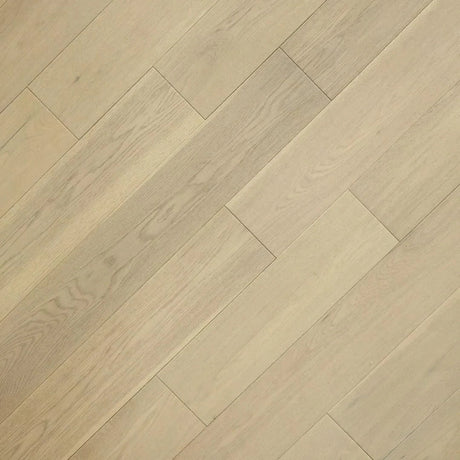
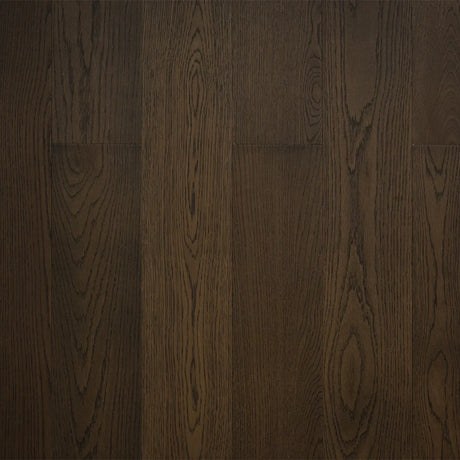
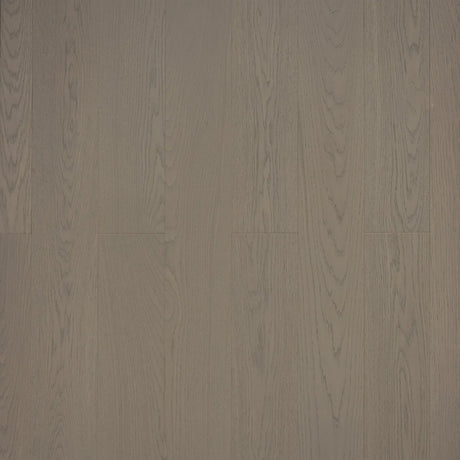
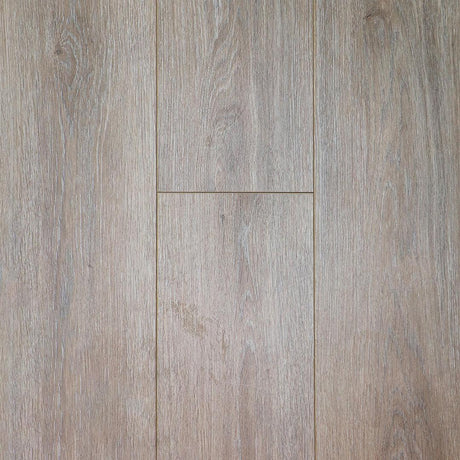
Engineered hardwood flooring gives you the look and feel of real hardwood with better stability for Toronto’s climate, and it’s one of the most popular floors in GTA homes for good reason. Each plank is real wood on top, built over a layered core that stands up to the humidity swings and dry winters we get here far better than solid wood. At Besso, we carry engineered hardwood flooring in a wide range of species, colours and finishes, and our team can help you choose the right one for your home and subfloor. This guide walks you through what engineered hardwood is, how it compares to solid hardwood, which options suit Toronto homes, what it costs, and how it installs.
What Is Engineered Hardwood Flooring?
Engineered hardwood flooring is real wood flooring made from a top layer of genuine hardwood bonded to a stable, multi-layer core. The surface is the same species and finish you’d get with solid hardwood — oak, maple, walnut and more — but the construction underneath is what makes it more stable and versatile. That combination is why engineered hardwood works in more places than solid wood, including over concrete and with radiant heat.
How Engineered Hardwood Is Built
Engineered hardwood is built in layers: a real wood veneer on top and a cross-layered core beneath, pressed together so the plank resists expanding and contracting. This cross-ply construction is the key difference from solid hardwood, which is a single piece of wood that moves more with moisture and temperature.
The Wood Veneer (Wear Layer)
The top layer is a veneer of real hardwood — the wear layer — and it’s the surface you see, walk on and can refinish. Because it’s genuine wood, an engineered floor looks and feels exactly like solid hardwood; the thickness of this wear layer determines how many times the floor can be sanded and refinished.
The Core (Plywood / HDF)
Beneath the veneer sits a core of plywood or high-density fibreboard (HDF), usually several layers stacked in alternating directions. This cross-layered core is what gives engineered hardwood its stability, holding the plank flat and dimensionally steady as humidity changes through the seasons.
Engineered vs. Solid Hardwood
Engineered and solid hardwood look the same on the surface, but engineered hardwood is more stable, more versatile and usually more affordable, while solid hardwood can be refinished more times over a very long life. For most Toronto homes — especially over concrete, in basements, or with radiant heat — engineered is the more practical choice. Here’s how they compare on the points that matter.
Stability & Moisture Resistance
Engineered hardwood resists moisture and humidity far better than solid wood because its layered core doesn’t expand and contract as much. That stability means fewer gaps in dry winters and less risk of cupping in humid summers — a real advantage in the GTA’s swing between heating season and muggy July.
Cost Comparison
Engineered hardwood generally costs less than solid hardwood of the same species, because it uses a thin veneer of the premium wood over a less expensive core. You get the same look for less, which is a big part of why engineered has become the default for many hardwood projects.
Refinishing & Lifespan
Solid hardwood can be sanded and refinished many times over decades, while engineered hardwood can be refinished a limited number of times depending on its wear-layer thickness. A quality engineered floor with a thick veneer still lasts for decades and can be refreshed when needed — just not as many times as solid.
Is Engineered Hardwood Right for Toronto’s Climate?
Yes — engineered hardwood is well suited to Toronto’s climate, and in many homes it’s the better wood choice precisely because of our humidity swings. Toronto goes from dry, heated winters to humid summers, and that movement is hard on solid wood; engineered hardwood’s stable core handles it with far less expansion and contraction.
Humidity & Seasonal Changes in the GTA
The GTA’s seasonal humidity swing is exactly the condition engineered hardwood is designed for. Its layered construction minimizes the seasonal movement that can open gaps or cause cupping in solid wood, so an engineered floor stays flatter and tighter year-round.
Acclimating & Expansion Gaps
Like any wood floor, engineered hardwood should acclimate in your home before installation and be laid with small expansion gaps at the walls. Letting the planks adjust to your home’s humidity and leaving room to move is what prevents problems once the seasons change.
Keeping Indoor Humidity Stable
Keeping your home’s indoor humidity in a steady range — roughly 35–55% — helps any wood floor stay stable through the year. A humidifier in winter and good ventilation in summer go a long way toward keeping an engineered floor looking its best.
Over Concrete, Basements & Radiant Heat
Engineered hardwood can go where solid hardwood often can’t — over concrete slabs, in below-grade basements, and over radiant heating — thanks to its stable core and moisture resistance. This versatility is a major reason it’s so common in Toronto condos and finished basements.
Engineered Hardwood with Underfloor Heating
Engineered hardwood is one of the best wood floors for use over radiant heat, because its layered core tolerates the warmth without the movement solid wood would suffer. If you’re pairing it with underfloor heating, choose a product rated for radiant heat and bring the temperature up gradually after installation.
Choosing a Radiant-Compatible Floor
Not every engineered floor is approved for radiant heat, so check the manufacturer’s rating before you buy. Look for a product specifically listed as radiant-compatible and follow its maximum floor-temperature limit to protect the wood.
Wood Species & Colours
Engineered hardwood comes in the full range of wood species and colours, from classic oak to rich walnut, in everything from pale naturals to deep browns and greys. The species affects the grain, hardness and price, while the stain and finish set the colour and look.
Oak (Red & White)
Oak is the most popular species for engineered hardwood, prized for its durability, classic grain and how well it takes stain. Both red oak and white oak are widely available and suit almost any style, from traditional to modern.
White Oak
White oak has a tighter, straighter grain and a slightly cooler tone, which makes it the go-to for contemporary and transitional interiors. Its subtle grain takes grey and natural stains beautifully, which is why it’s everywhere in current design.
Why White Oak Is Popular in Toronto Homes
White oak is a favourite in Toronto homes because it fits the clean, modern and transitional looks common across the GTA, and it’s hard-wearing enough for busy households. Its neutral tone works with the light, natural palettes many local renovations favour.
Red Oak
Red oak has a warmer tone and a more pronounced grain, giving a classic, traditional look that hides everyday wear well. It’s durable, economical and a longtime favourite for a reason.
Maple, Hickory & Walnut
Beyond oak, maple, hickory and walnut each bring their own character — from maple’s smooth, subtle grain to hickory’s rustic variation and walnut’s rich, dark tone. The right one depends on the look you want and how much traffic the floor sees.
Maple
Maple has a smooth, fine grain and a light, clean appearance that suits modern spaces. It’s a hard, durable wood, though its subtle grain takes stain a little differently than oak.
Hickory
Hickory is one of the hardest domestic woods and has bold, varied grain with lots of character. It’s an excellent choice for high-traffic homes and for anyone who wants a rustic, textured look.
Walnut
Walnut is prized for its rich, deep brown colour and elegant grain, giving a warm, luxurious feel. It’s a softer hardwood than oak or hickory, so it suits lower-traffic, statement spaces.
Colours, Stains & Grades
Engineered hardwood is available in a huge range of colours and grades, from pale whites and natural tones to warm browns, greys and near-blacks. Colour comes from the stain and finish, while the grade describes how much natural variation and character the wood shows.
Popular Colours in Toronto Homes
Light naturals, soft greys and warm mid-browns are the most popular engineered hardwood colours in Toronto homes right now, matching the bright, natural interiors that dominate GTA renovations. Darker walnut tones remain a classic choice for more formal or traditional spaces.
Select, Character & Rustic Grades
Grade describes the look, not the quality: select grades are clean and uniform, character grades show more knots and colour variation, and rustic grades are the most natural and varied. Choose the grade that matches the look you want — cleaner and calmer, or more natural and characterful.
Plank Width, Thickness & Wear Layer
Three specs shape how an engineered floor looks and performs: plank width, overall thickness, and the thickness of the wear layer. Wider planks and thicker wear layers generally read as more premium and give more refinishing life.
Plank Width (Wide vs. Narrow)
Plank width sets the look of the floor: wide planks (7 inches and up) feel modern and show off the grain, while narrower boards read as more traditional. Wide plank is the dominant trend, though a very varied tone can make a small room feel busy.
Overall Thickness
Overall thickness affects how the floor feels underfoot and how it meets adjoining floors and doors. Common engineered thicknesses run from about 1/2″ to 3/4″; thicker planks feel more solid and often carry a thicker wear layer.
Wear Layer & Refinishing
The wear layer is the real-wood top veneer, and its thickness determines how many times the floor can be sanded and refinished. It’s the single most important spec for the floor’s long-term life, so it’s worth understanding before you buy.
How Thick a Wear Layer You Need
For a floor you want to refinish down the road, look for a thicker wear layer; for a budget-friendly floor you’ll simply replace eventually, a thinner one is fine. Match the wear layer to how long you plan to keep the floor and how much traffic it will see.
Refinishes by Wear-Layer Thickness
As a rough guide, a thicker wear layer allows more sand-and-refinish cycles over the floor’s life, while a thin veneer may allow only a light refresh or none at all. The thicker the veneer, the more times a professional can sand it back to bare wood.
2 mm vs. 4 mm Veneer
A 2 mm wear layer typically allows one or two light refinishes, while a 4 mm (or thicker) veneer can be refinished several times — closer to a solid-wood lifespan. If long-term refinishing matters to you, prioritize wear-layer thickness over almost any other spec.
Surface Finishes & Textures
The finish and texture of an engineered floor affect both its look and how well it hides wear. From smooth and sleek to wire-brushed and textured, the surface treatment is as much a style choice as the species.
Wire-Brushed & Textured Finishes
Wire-brushed floors have a lightly textured surface that brings out the grain and does a great job of hiding scratches, dust and everyday wear. They’re a practical, popular choice for busy homes and pets.
Smooth & Hand-Scraped
Smooth finishes give a clean, contemporary surface, while hand-scraped floors have a handcrafted, rustic texture with subtle undulations. Smooth suits modern interiors; hand-scraped adds warmth and character to traditional and farmhouse looks.
Matte, Satin & Gloss Sheens
Sheen sets how much the floor reflects light: matte finishes are the current favourite for hiding scuffs and giving a natural look, satin offers a soft glow, and gloss is more traditional and shows more. Matte and satin are the most forgiving in everyday use.
Sustainability & Warranty
Engineered hardwood is a resource-efficient way to get a real-wood floor, and quality products come with meaningful warranties. Both are worth checking before you buy.
FSC & Sustainable Sourcing
Because engineered hardwood uses a thin veneer of premium wood over a core of faster-growing or recycled material, it makes efficient use of hardwood compared with solid planks. Look for Forest Stewardship Council (FSC) certification if responsibly sourced wood is a priority.
Warranty & Quality
Quality engineered hardwood carries a residential wear warranty — often decades — that reflects the durability of the finish and wear layer. Check the warranty terms and make sure the product suits your traffic level; our team can point you to the right grade for your home.
Installation Options
Engineered hardwood can be installed several ways — floating, glued down or nailed down — and the right method depends on your subfloor and the product. All start with a clean, dry, level subfloor.
Floating (Click-Lock) Installation
Floating floors click together and “float” over an underlayment without being fastened to the subfloor, making them the fastest and most DIY-friendly option. They’re ideal over concrete and in condos, and they can be walked on right away.
Underlayment for Floating Floors
A floating engineered floor needs an underlayment beneath it to cushion the floor, soften sound and — over concrete — provide a moisture barrier. Choosing the right underlayment for your subfloor is part of getting a quiet, long-lasting floor.
Moisture Barrier Over Concrete
Over a concrete slab or below grade, always use an underlayment with a moisture barrier (or a separate vapour barrier) to keep slab moisture away from the wood. This step is essential for any wood floor going over concrete.
Glue-Down Installation
Glue-down installation bonds each plank to the subfloor with adhesive, giving a solid, quiet floor that’s a common choice over concrete. It takes more skill and time than floating but feels very stable underfoot.
Nail-Down Installation
Nail-down installation fastens the planks to a plywood subfloor with cleats or staples, the traditional method for wood over wood. It suits thicker engineered products over a wood subfloor above grade.
Subfloor Preparation
Whatever the method, the subfloor must be clean, dry and level before installation, since imperfections telegraph through the finished floor. On concrete, a moisture test and, if needed, a self-levelling compound set the floor up to last.
How Much Does Engineered Hardwood Flooring Cost in Toronto?
Engineered hardwood flooring cost in Toronto depends on the species, wear-layer thickness, finish and whether you include installation. Material and installation are the two halves of the total, and both vary with the quality of the floor and the complexity of the job.
Material Cost per Square Foot
Engineered hardwood is priced per square foot, and the range is wide: entry-level floors are quite affordable, while thick-veneer, wide-plank and premium-species floors cost considerably more. Species (oak vs. walnut), wear-layer thickness and finish are the biggest factors in the material price.
Installation Cost in the GTA
Professional installation in the GTA adds to the material cost and depends on the method, the subfloor and any prep like levelling or removing old flooring. Floating installs are typically the most economical; glue-down and nail-down cost more for the extra labour.
What Drives the Price
The price of an engineered hardwood floor comes down to a few clear factors, so it’s easy to see where your budget goes. Understanding them helps you choose where to invest and where to save.
Species, Wear Layer & Finish
Premium species like walnut, thicker wear layers and higher-end finishes all raise the material price, while common oak, thinner veneers and standard finishes lower it. These three specs explain most of the difference between a budget and a premium floor.
Where to Save vs. Splurge
A good rule of thumb: splurge on wear-layer thickness (it determines the floor’s lifespan) and on the species and colour you’ll love for years, and save on ultra-wide planks or exotic finishes if the budget is tight. Spend where it lasts, economize where it’s just fashion.
Material vs. Installation Cost
When you’re budgeting, remember the total is material plus installation — and a cheaper floor that needs more subfloor prep can cost as much as a better floor over a good subfloor. Get quotes that separate material from labour so you can compare fairly.
Caring for Engineered Hardwood
Engineered hardwood is easy to live with: routine sweeping, the occasional damp mop and a few sensible precautions keep it looking great for years. It’s low-maintenance, but it’s still real wood, so a little care goes a long way.
Cleaning & Everyday Care
Engineered hardwood floors are easy to clean — sweep or vacuum regularly and damp-mop with a hardwood-safe cleaner, avoiding excess water and steam. Wipe spills promptly and skip harsh or abrasive cleaners, which can dull the finish.
Protecting Your Floor
Protect an engineered floor with felt pads under furniture, mats at entrances, and by managing sunlight and humidity. Area rugs in high-traffic paths and stable indoor humidity keep the finish and the wood in top shape for the long haul.
Why Buy Engineered Hardwood at Besso
Engineered hardwood is a floor you’ll live with for years, so it helps to see and feel the species, colours and finishes in person at our Markham or Etobicoke showrooms. Our team can match a floor to your subfloor, your style and your budget, you can take a sample home to check it in your own light, and our complimentary design consulting helps you coordinate it with the rest of your space. Delivery is included on select orders across the GTA, and we’re glad to help homeowners and contractors get the right floor the first time.
FAQs About Engineered Hardwood Flooring
What is engineered hardwood flooring?
Engineered hardwood flooring is real wood flooring made from a genuine hardwood veneer bonded to a stable, multi-layer core. It looks and feels like solid hardwood on the surface but is more stable, more versatile and usually more affordable.
Engineered vs. solid hardwood — which is better?
Neither is universally better — engineered is more stable, more versatile (over concrete and radiant heat) and usually cheaper, while solid hardwood can be refinished more times over a longer life. For most Toronto homes, especially condos, basements and over radiant heat, engineered is the more practical choice.
How much does engineered hardwood flooring cost in Toronto?
Engineered hardwood flooring cost in Toronto varies widely with the species, wear-layer thickness, finish and whether you include installation. Material is priced per square foot with a broad range, and professional installation in the GTA adds to it — bring your room size to us and we’ll help you estimate the total.
Is engineered hardwood good for Toronto’s climate?
Yes — engineered hardwood is well suited to Toronto’s humidity swings because its layered core resists the expansion and contraction that affect solid wood. It’s a great fit for GTA homes, including over concrete, in basements and with radiant heat.
Categories Related to Engineered Hardwood Flooring
While they may look similar at first glance, these materials vary in composition, durability, and ideal usage. Whether you're renovating a bathroom, updating your kitchen, or upgrading a high-traffic hallway,...
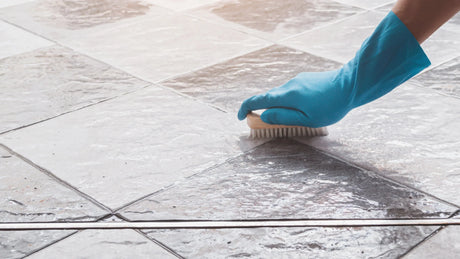
Cleaning floor tile grout is essential to maintaining a fresh, polished look in your home. Over time, grout can become stained, discolored, or even blackened due to dirt, mildew, and...
Vinyl plank flooring has become a popular choice for homeowners seeking a durable, cost-effective, and aesthetically pleasing flooring solution. Its ease of installation makes it an excellent option for DIY...
Laminate flooring is a popular and cost-effective option for homeowners looking to enhance their space with a durable and stylish finish. Its ease of installation makes it a great choice...
After reading BessoFloor's detailed comparison of laminate and vinyl flooring, I felt confident choosing the best option for my home renovation. Their insights on durability, installation, and maintenance were invaluable...
Basements present unique challenges when it comes to flooring choices. With concerns such as moisture, temperature fluctuations, and durability, selecting the right flooring is essential for a long-lasting and comfortable...
Confused about tile options? Discover the pros and cons of ceramic, porcelain, natural stone, glass, and cement tiles. Find your perfect match at Besso Floor & Decor!