Choosing the Right Flooring for Your Home
Choosing new flooring comes down to four things: the room, the traffic it will take, your budget, and the look you’re after — and the right floor is the one matched to how a space is actually used, not just how it looks. Moisture-prone rooms like basements, bathrooms, and kitchens need water-resistant or waterproof options, while bedrooms and living rooms give you far more freedom. Weigh traffic and household next: pets, kids, and busy hallways call for tougher wear layers and better scratch resistance. Finally, balance budget against longevity — laminate and vinyl deliver style for less, while solid hardwood costs more upfront but can be refinished for decades. The sections below break each type down, and our Markham and Etobicoke showrooms let you compare samples in person.
Types of Flooring We Carry
Besso carries six core flooring categories, each suited to different rooms, budgets, and styles. Here’s what each one is and where it shines — follow the links to browse the full collection.
Solid Hardwood Flooring
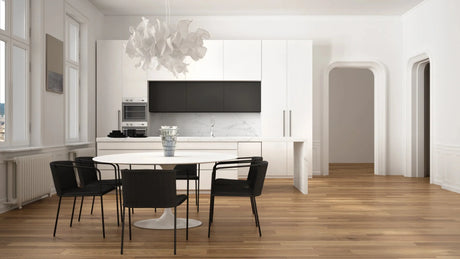
Solid hardwood is a single piece of natural wood, prized for its warmth and its ability to be refinished many times. It’s the premium choice for living rooms, bedrooms, and dining areas, but isn’t recommended for basements or bathrooms. Browse solid hardwood flooring.
Engineered Hardwood Flooring
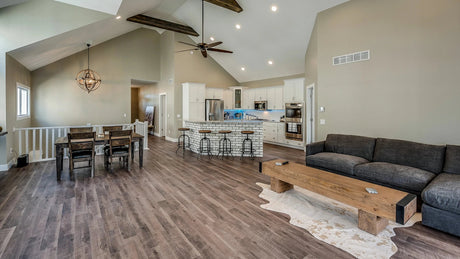
Engineered hardwood puts a genuine wood surface over a stable, layered core, making it more resistant to humidity than solid wood — a strong fit for condos, wider planks, and radiant heating. Browse engineered hardwood flooring.
Laminate Flooring
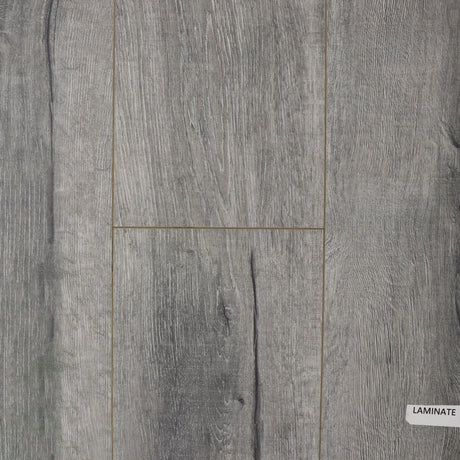
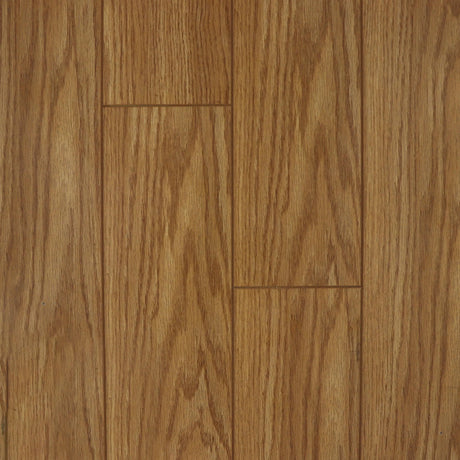
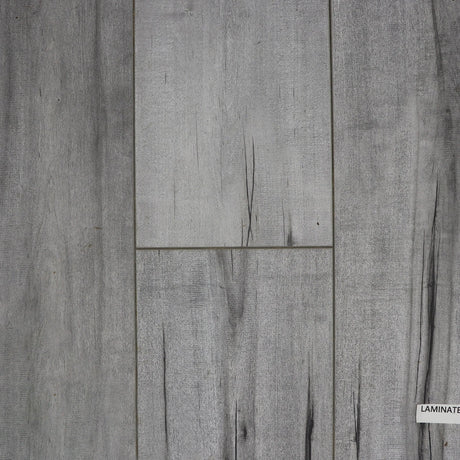
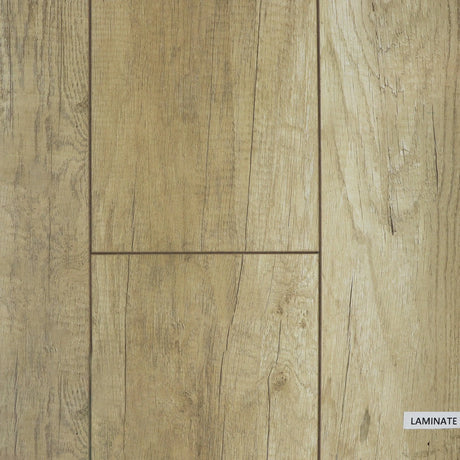
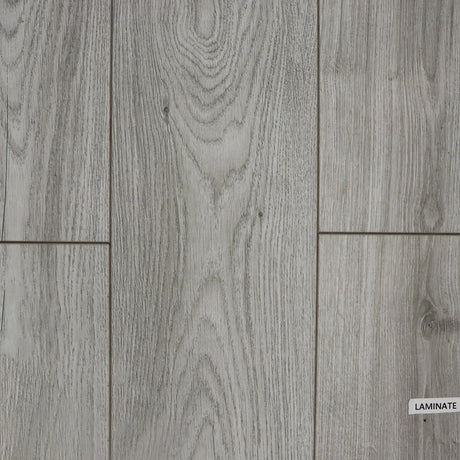
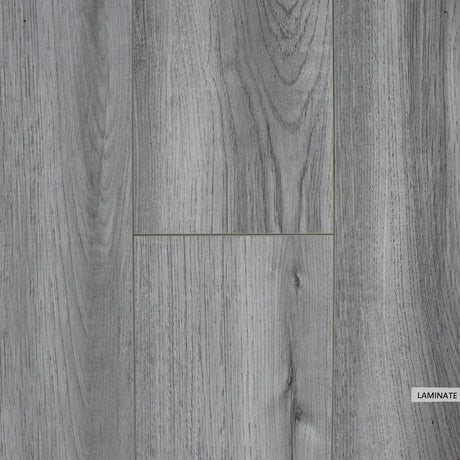
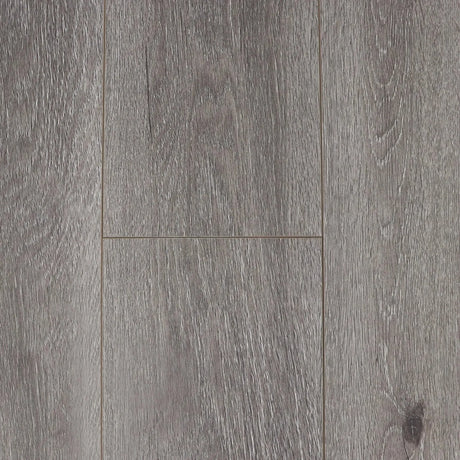
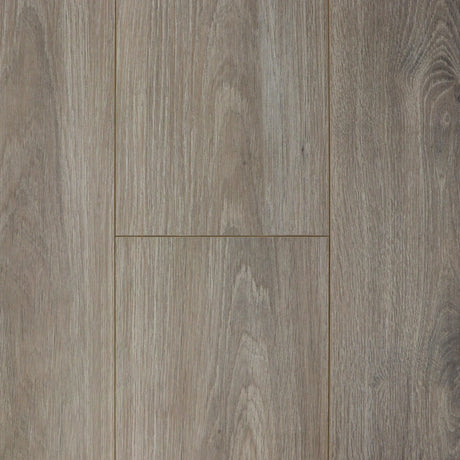
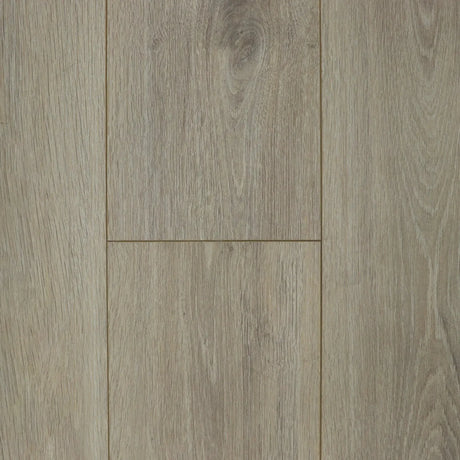
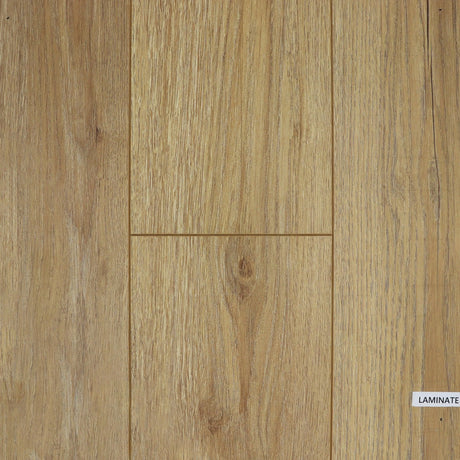
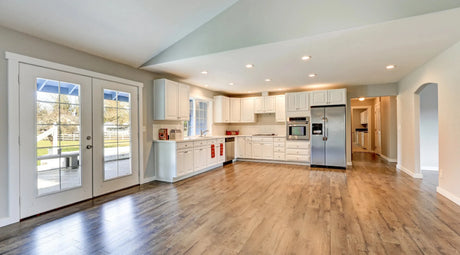
Laminate is a high-resolution image layer sealed under a tough wear surface over a dense core — a budget-friendly, highly scratch-resistant, click-together floor for busy family homes. Browse laminate flooring.
Vinyl Flooring (LVP, SPC & WPC)
Vinyl — including luxury vinyl plank (LVP) — is a fully synthetic, waterproof floor that’s become the go-to for kitchens, bathrooms, and basements. Rigid-core versions (SPC and WPC) add dent resistance. Browse vinyl flooring.
Tile Flooring (Porcelain, Ceramic & Natural Stone)
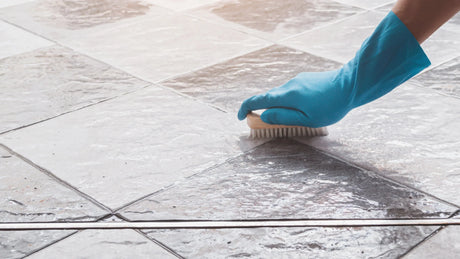
Tile is the most water- and wear-resistant flooring you can buy, ideal for bathrooms, entryways, and anywhere that sees water — and it pairs beautifully with in-floor heating. Browse tiles.
Herringbone & Specialty Patterns
Herringbone and chevron layouts turn any wood-look floor into a design statement, available in engineered hardwood and vinyl. Browse herringbone flooring.
Solid vs. Engineered Hardwood: What’s the Difference?
The main difference is construction: solid hardwood is one solid piece of wood, while engineered hardwood is a real-wood veneer over a plywood or HDF core — and that structure changes where each can go. Solid hardwood can be refinished many times and lasts generations, but it’s sensitive to moisture. Engineered hardwood resists humidity better, can often go over concrete and radiant heat, and comes in wider planks, though its thinner top layer limits refinishing. For most main-floor living spaces either works; for basements, condos, or radiant heat, engineered is usually the safer choice.
Vinyl vs. Laminate Flooring: Which Should You Choose?
Choose vinyl if waterproofing matters, and laminate if you want the most realistic wood texture for the price. Both are affordable, durable, click-together floors, but vinyl is 100% waterproof while laminate is only water-resistant and can swell if water sits. For kitchens, bathrooms, and basements, vinyl wins; for bedrooms and living areas on a budget, laminate is hard to beat. Our full vinyl vs. laminate comparison breaks it down room by room.
Luxury Vinyl Explained: LVT, SPC & WPC
Luxury vinyl comes in a few forms, and the differences come down to format and core.
LVT & LVP (Formats)
LVT (luxury vinyl tile) and LVP (luxury vinyl plank) describe the look — tile-format or plank-format. Both are waterproof and wear a realistic printed surface.
SPC (Stone-Plastic Composite)
SPC has a rigid, dense core that’s extremely dent-resistant and dimensionally stable — ideal for high-traffic and commercial spaces.
WPC (Wood-Plastic Composite)
WPC has a slightly softer, warmer core that’s more comfortable and quieter underfoot — a nice fit for residential living spaces.
Wear-Layer Thickness
The wear layer (measured in mil) determines how well the surface resists scratches and wear.
Residential Wear Layers
Around 12 mil suits most homes and everyday family use.
Commercial Wear Layers
20 mil and up is built for heavy or commercial traffic.
Best Flooring by Room
Match the floor to how the room is used and how much moisture it sees.
Below-Grade & Wet Areas
Basements, bathrooms, and kitchens see moisture, so they need water-resistant or waterproof flooring.
Basements
Below-grade concrete and humidity make waterproof, dimensionally stable flooring essential.
Concrete Subfloors & Moisture
Concrete can pass moisture upward, so waterproof rigid-core vinyl (SPC) and tile are the safest picks. See our guide to the best flooring for a basement.
Recommended Options
Waterproof SPC vinyl leads for comfort and warmth, with tile a durable second.
Bathrooms & Kitchens
These rooms need flooring that shrugs off spills, splashes, and mopping.
Waterproof Options
Tile and vinyl plank are the go-to choices; waterproof vinyl gives a wood look without the water risk.
Living Areas
Low-moisture rooms open up almost every option.
Living Rooms & Bedrooms
This is where solid hardwood, engineered hardwood, and premium laminate shine — choose by look and traffic.
Comfort & Style Picks
For warmth underfoot, hardwood and WPC vinyl feel best; for value, laminate delivers the look for less.
High-Traffic Areas, Hallways & Stairs
Busy zones need tough, scratch-resistant surfaces.
Stairs & Stair Nosing
Pair your flooring with matching stair nosing for a safe, finished edge — browse our stairs collection.
Hallways & Entryways
SPC vinyl, quality laminate, or hardwood with a durable finish all hold up to heavy traffic and grit.
Condos & Radiant Heat
Condos and homes with in-floor heating need dimensionally stable, radiant-compatible flooring — engineered hardwood and rigid-core vinyl are common picks. More on radiant heat below.
Waterproof vs. Water-Resistant Flooring
Waterproof flooring can sit in water without damage; water-resistant flooring only tolerates spills that are wiped up quickly. Vinyl and tile are genuinely waterproof, making them safe for bathrooms, basements, and laundry rooms. Most modern laminates are water-resistant — they handle everyday spills but can swell if water pools. Solid hardwood is neither and should stay out of wet areas.
Flooring for Pets, Kids & Indoor Air Quality
For homes with pets and kids, prioritize scratch resistance, waterproofing, and easy cleaning.
Scratch & Water Resistance
SPC vinyl and quality laminate stand up to claws, spills, and heavy use, which is why they’re so popular with busy families.
Low-VOC & Indoor Air Quality
If air quality is a concern, look for products certified low-VOC or low in formaldehyde emissions; our team can point you to floors that meet these standards. Real hardwood, with no carpet to trap allergens, is also a favourite for healthier homes.
Flooring & Radiant / In-Floor Heating
If you have in-floor heating, choose a floor rated for it: tile, engineered hardwood, and most rigid-core vinyl work well over radiant heat, while solid hardwood generally does not, since it can gap or cup with temperature changes. Always confirm the product’s radiant-heat rating before installing. Browse our underfloor heating collection to plan the full system.
How Much Does Flooring Cost?
Flooring cost depends mostly on the material: laminate and vinyl are the most budget-friendly, engineered hardwood sits in the middle, and solid hardwood and wide-plank herringbone are the premium end. Beyond the material, factor in underlayment, trim, delivery, and professional installation. Because pricing shifts with promotions and product, the live per-box price and square-foot coverage are shown on every product page above — and our team is happy to put together a full estimate for your project.
How to Measure & How Much to Buy
To estimate materials, measure each room’s length by its width to get the square footage, then add the rooms together for your total. Add roughly 10% extra for cuts and waste — and 15% or more for herringbone, chevron, or diagonal layouts. Keeping a few spare planks or tiles on hand is smart for future repairs. Not sure? Bring your measurements in-store and we’ll help you calculate exactly what you need.
Flooring Installation: Methods & What to Expect
Flooring is installed one of three ways, and the right method depends on the product and subfloor.
Installation Methods
Each method has trade-offs in cost, subfloor needs, and feel underfoot.
Floating / Click-Lock
Planks snap together over an underlayment without adhesive — common for laminate and vinyl, and the most DIY-friendly.
Glue-Down
Flooring bonds directly to the subfloor for a solid feel, often used for vinyl and some engineered wood.
Nail-Down
Solid hardwood is nailed to a wood subfloor, typically by a professional.
Underlayment & Subfloor Prep
A clean, dry, level subfloor is the foundation of every good install. Most floating floors need underlayment for cushioning, sound, and moisture protection. Browse underlayment & surface prep.
Trim, Baseboards & Stair Nosing
Finishing pieces cover expansion gaps and give the floor a clean, professional edge. Browse baseboard & trim.
Professional Installation vs. DIY
Click-lock floors are DIY-friendly, but glue-down, nail-down, and anything over radiant heat or uneven subfloors are best left to a professional. Besso can supply and install, including removing and disposing of your old floor. See our guides on installing vinyl plank and installing laminate.
Caring for & Maintaining Your Floors
Most floors stay looking their best with simple, regular care: sweep or vacuum up grit, and clean with a product made for your floor type. Avoid excess water on wood and laminate — a damp mop is plenty. Use felt pads under furniture and mats at entryways to prevent scratches. In Ontario’s changing seasons, keeping indoor humidity steady helps wood floors resist gapping in winter and cupping in summer, and leaving proper expansion gaps at installation prevents buckling.
Refinishing vs. Replacing Hardwood
If your hardwood is scratched or dull but structurally sound, refinishing restores it for a fraction of the cost of replacement. Solid hardwood can be sanded and refinished several times; engineered hardwood can usually be refinished once or twice, depending on the thickness of its wear layer. If boards are cupped, water-damaged, or worn through to the core, replacement is the better call. Not sure which you need? Bring in a photo or a sample board and our team will advise.
Why Buy Your Flooring at Besso
Flooring looks different in your home than it does on a screen, which is why we make it easy to see it in person before you commit. At our Markham and Etobicoke showrooms you can compare samples side by side under real lighting, and our sample-at-home option lets you view flooring in your own space. Our design team offers complimentary design consulting and rendering to help you picture the finished room, and delivery is included on select orders. Whether you’re a homeowner starting a renovation or a contractor sourcing for a job, our team knows these products inside out and is here to help you get it right.