Choosing the Right Tiles for Your Space
Tile is one of the most versatile, hard-wearing surfaces you can choose — but with so many materials, finishes, and ratings, the right pick is the one matched to where it's going, not just the one that looks best in the showroom. Start with location: a floor needs a harder, slip-resistant tile than a wall, and a wet area like a shower needs low water absorption. Then weigh traffic, style, and budget. Porcelain handles busy floors and wet rooms with ease, ceramic is a budget-friendly all-rounder for walls and backsplashes, and natural stone brings unique character but needs more care. The sections below break it all down — and if you'd like to see colour and finish under real lighting, our Markham and Etobicoke showrooms and design team are here to help.
Types of Tile We Carry
Besso carries the full range of tile materials and formats, each suited to different spaces, styles, and budgets. Here's what each one is and where it shines.
Porcelain Tiles
Porcelain is a dense, low-absorption tile fired at very high temperatures, making it exceptionally durable and water-resistant. It's the top pick for floors, wet areas, high-traffic spaces, and even outdoor and commercial use. Browse porcelain tiles.
Ceramic Tiles
Ceramic is a versatile, budget-friendly tile made from fired clay with a glazed surface, ideal for walls, backsplashes, and low-to-moderate-traffic floors. It's easy to cut and one of the most DIY-friendly tiles. Browse ceramic tiles.
Mosaic Tiles
Mosaic tiles are small tiles mounted on mesh sheets — perfect for shower floors, feature walls, and detailed accents. Their many grout lines add grip for wet, slip-prone areas. Browse mosaic tiles.
Subway Tiles
Subway tiles are classic rectangular tiles — usually 3×6 — known for their timeless look on backsplashes and walls. They can be laid in stacked, offset, herringbone, or vertical patterns. Browse subway tiles.
Natural Stone Tiles
Natural stone tiles are cut from real stone, giving each piece one-of-a-kind veining and texture that manufactured tile can't replicate. All natural stone needs periodic sealing to resist stains and moisture.
Marble & Travertine
Marble and travertine bring a soft, luxurious look to walls, floors, and feature areas. Both are more porous and best suited to lower-traffic or decorative spaces.
Slate & Granite
Slate and granite are harder, more rugged stones that stand up well to traffic and moisture — a durable choice for floors and entryways.
Specialty & Patterned Tiles
Beyond the classics, specialty tiles let you make a statement.
Cement & Encaustic Tiles
Cement and encaustic tiles carry bold, painterly patterns set right into the tile — perfect for feature floors and eye-catching accents. They're porous and need sealing.
Wood-Look, Hexagon & 3D Tiles
Wood-look porcelain mimics hardwood for wet areas, hexagons add geometric interest, and textured or 3D tiles create depth on feature walls.
Porcelain vs. Ceramic vs. Natural Stone: What's the Difference?
The difference comes down to how they're made and how much water they absorb. Porcelain is fired denser than ceramic, giving it very low water absorption and high durability — best for wet areas, floors, and outdoors. Ceramic is softer and more porous, making it easier to cut and more affordable, ideal for walls and lighter-traffic floors. Natural stone is quarried rather than manufactured, offering unmatched character but requiring sealing and gentler care. As a rule: porcelain for performance, ceramic for value, stone for character. Our full porcelain vs. ceramic guide goes deeper.
Wall Tile vs. Floor Tile: Can You Use Any Tile Anywhere?
Not every tile is rated for the floor — floor tiles must be harder and slip-resistant, while many decorative wall tiles aren't built to be walked on. The key measure is the PEI rating (explained below): wall tiles are often PEI 0–1, while floor tiles need PEI 3 or higher. Most floor-rated tiles can also go on walls, but not the other way around. When in doubt, check the rating or ask our team before you buy.
Understanding Tile Ratings & Terms
A few key terms tell you whether a tile is right for your space — here's what they mean in plain language.
PEI Rating (Surface Hardness)
The PEI rating measures a tile's surface hardness on a scale of 0 to 5, telling you where it can safely be used.
Which PEI Class Do You Need?
Match the class to the space — walls and floors have very different demands.
Walls & Light Traffic (PEI 0–2)
PEI 0–1 tiles are for walls only, while PEI 2 suits light-traffic floors like bathrooms.
Floors & High Traffic (PEI 3–5)
PEI 3 handles most residential floors, and PEI 4–5 is built for heavy or commercial traffic.
Water Absorption
Water absorption tells you how a tile performs in wet areas. Porcelain absorbs less than 0.5% of water, making it effectively waterproof; ceramic absorbs more; and natural stone varies and needs sealing.
Rectified vs. Non-Rectified Edges
Rectified tiles have precisely cut, straight edges that allow very thin, seamless grout lines. Non-rectified (cushioned-edge) tiles need slightly wider grout lines but are more forgiving to install.
Tile Finishes
Finish affects both look and grip.
Glazed & Polished
Smooth and easy to clean but slippery when wet — best for walls and low-moisture floors.
Honed & Matte
More traction underfoot, making them a safer pick for floors, bathrooms, and wet areas.
Best Tile by Room & Application
Match the tile's material and rating to how the space is used and how much moisture it sees.
Wet Areas
Bathrooms, showers, and laundry rooms need low-absorption, slip-resistant tile.
Bathrooms & Showers
Porcelain and glazed ceramic work well on bathroom walls and floors, with slip-resistant surfaces underfoot.
Shower Floors
Small mosaic tiles are ideal here — their many grout lines add grip and follow the slope to the drain.
Bathroom Walls & Floors
Larger porcelain or ceramic tiles keep walls and floors easy to clean; choose a matte or honed finish for traction.
Kitchens & Living Spaces
Kitchens and living areas need durable, easy-to-clean tile that handles daily traffic.
Kitchens & Backsplashes
Floor-rated porcelain or ceramic suits kitchen floors, while glazed tiles make easy-clean backsplashes.
Kitchen Floors
Choose PEI 3+ tile that resists scratches, spills, and heavy foot traffic.
Backsplashes
Subway and mosaic tiles are favourites — they wipe clean and protect walls from splashes and grease.
Floors & High-Traffic Areas
For hallways and open floors, PEI 3+ porcelain and large-format tiles give a durable, low-grout-line finish.
Outdoor & Commercial Spaces
Outdoor patios and commercial floors need frost-resistant, high-PEI porcelain with a slip-rated surface — always confirm the tile is rated for exterior or commercial use.
Popular Tile Sizes & Formats
Tile sizes range from tiny mosaics to large-format slabs, and the right size depends on the space. Small mosaics (from 1×1) add grip and detail in showers and accents; classic 12×12 and 12×24 suit most floors and walls; and large-format tiles (24×24 and up) create a clean, modern look with fewer grout lines. Larger tiles can make a small room feel bigger, while smaller tiles work better on intricate or curved areas.
Tile Styles, Patterns & Trends
Beyond the tile itself, the layout you choose sets the whole look of a room. Timeless subway tile stays popular on backsplashes, while herringbone and chevron patterns add movement and a designer feel. Hexagons and geometric encaustic tiles are on-trend for floors and feature areas, and wood-look porcelain keeps growing for anyone who wants the warmth of wood in a wet space. Browse patterns like subway tiles to see the options.
How Much Does Tile Cost?
Tile cost is driven mainly by material and format: ceramic and standard porcelain are the most budget-friendly, while natural stone, large-format, and designer patterned tiles sit at the premium end. Beyond the tile itself, budget for adhesive, grout, backer board, trim, and installation. Because pricing varies by product and promotion, live per-square-foot and per-sheet prices are shown on every product page above — and for larger or contractor projects, our team can put together a quote.
How to Measure & How Many Tiles to Buy
To estimate tile, measure each area's length by its width for the square footage, then add about 10% extra for cuts and breakage — and 15% or more for diagonal, herringbone, or patterned layouts. Order all your tile from the same batch (or "lot") so shades match, and keep a few spares for future repairs, since exact colours can be discontinued. Not sure? Bring your measurements in-store and we'll help you get the count right.
Tile Installation: Methods & Materials
A lasting tile job comes down to the right prep and materials — here's what goes into it.
Installation Materials
Every install relies on a few essentials, matched to your tile and surface.
Adhesive & Mortar
Thin-set mortar bonds the tile to the substrate; the right type depends on the tile and location. Browse installation materials.
Grout & Spacers
Grout fills the joints while spacers keep the lines even and consistent.
Backer Board & Substrate
A stable, level base — backer board or a properly prepared substrate — keeps tile from cracking over time.
Tile Trim & Edging
Trim and edging give tiled edges a clean, finished look and protect exposed corners around backsplashes, niches, and outside corners. Browse baseboard & trim.
Sealing Grout & Natural Stone
Cement-based grout and porous stone should be sealed after installation and periodically resealed, while porcelain and glazed ceramic don't need it.
Professional Installation vs. DIY
Straightforward ceramic backsplashes and wall tiles are DIY-friendly, but floors, wet areas, large-format tiles, and natural stone are best left to a professional for a watertight, level result. Besso stocks the tile plus all the installation tools and materials you need in one place.
Caring for & Maintaining Your Tile
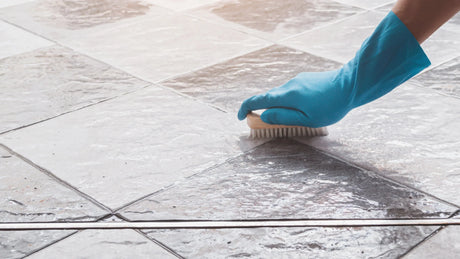
Tile is one of the easiest surfaces to maintain: sweep or vacuum regularly, then clean with a pH-neutral cleaner and warm water. Avoid harsh chemicals and abrasive pads, which can dull glazed and polished finishes. Keep grout looking fresh by sealing it and cleaning spills promptly — our guide on cleaning floor tile grout walks through it step by step.
How Tiles Are Made
Most tiles start as natural clay that's shaped and fired in a kiln at high temperatures to create a hard, durable surface. Ceramic tiles are usually glazed for colour, texture, and moisture resistance, while porcelain is made from finer clay fired at even higher heat, making it denser and less absorbent. Natural stone tiles, by contrast, are cut directly from quarried stone rather than manufactured.
Why Buy Your Tile at Besso
Tile looks different in your home than it does on a screen, so we make it easy to see colour and finish in person before you commit. Order or take home samples to view them under your own lighting, and lean on our design team's complimentary design consulting and rendering to plan the finished space. You'll find your tile plus every installation material and tool under one roof, with two GTA showrooms in Markham and Etobicoke and delivery included on select orders. Whether you're a homeowner renovating one room or a contractor sourcing for a job, our team knows tile inside out and is here to help.