Why Choose Birch Hardwood Flooring?
Birch hardwood is a durable, budget-friendly option for home floors. Known for its light color and swirling, flame-like grain, it creates a clean, smooth and bright look in any space. With mid-range hardness it handles everyday use well and requires some care. It performs best in stable environments, as moisture can affect it over time.
Benefits of Birch Hardwood Flooring
Homeowners love cost-effective birch in their homes, because they can trust that its versatility and durability excels at its affordable price. Ideal for everyday flooring and furniture pieces, birch boasts a strength comparable to most oak hardwoods. Birch is known to stand out as a practical alternative in the birch vs maple flooring conversation.
Aesthetic Appeal
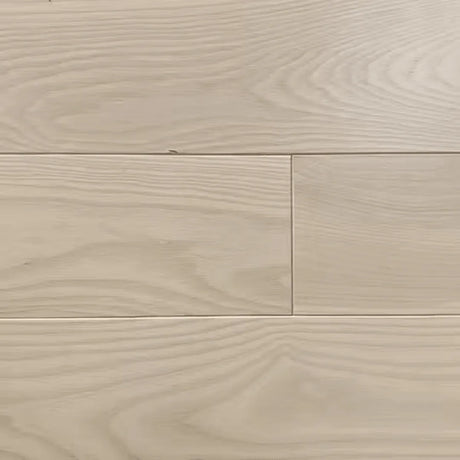
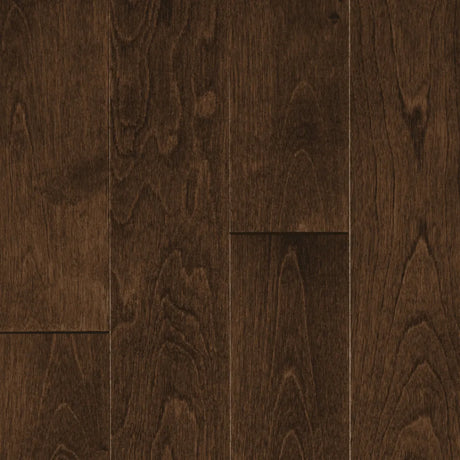
Birch hardwood is known for its light tones and flowing, fine grain. Finishing options like light birch and natural birch brighten interiors, while yellow birch offers warmer hues. Birch floors complement both modern and traditional settings and can be seen in rustic homes, as well as contemporary spaces.
Durability and Maintenance
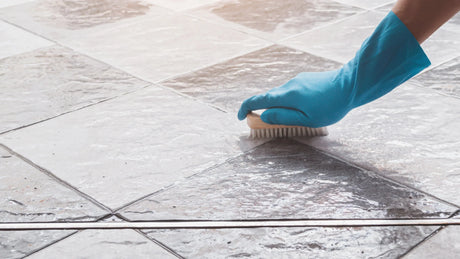
While birch hardwood handles daily wear well and is more scratch-resistant than many softwood species, proper care helps preserve its appearance over time. Regular sweeping, prompt cleanup of spills, and protecting the floor from prolonged direct sunlight can help maintain its natural beauty and colour for years to come.
Where to Use Birch Hardwood Flooring
Ideal Rooms for Birch Flooring
Birch hardwood floors are moderately durable, but more susceptible to denting. Enjoy the golden grain in living rooms, bedrooms, and hallways. Given its mid-strength, many families choose birch for moderate-traffic areas without heavy furniture, allowing the natural beauty of the hardwood to shine without excessive wear.
Design Styles That Complement Birch
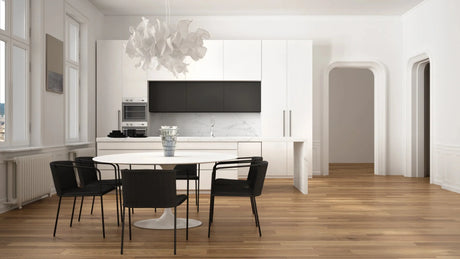
From Scandinavian minimalism to rustic charm, light birch flooring adapts easily. In a birch vs maple flooring comparison, birch offers a softer, more relaxed visual tone.
Types of Birch Hardwood Flooring
Yellow Birch vs. Natural Birch
Yellow birch will feature warmer, golden tones throughout your flooring, while natural birch will deliver a lighter, cleaner look.
Finishes and Textures
Matte, satin, or gloss finishes enhance any birch wood floor, while textured surfaces add depth to birch hardwood floors. Due to its naturally unique grain, uniform staining can be difficult and often requires a pre-stain conditioner. Birch hardwood may also require more attention and maintenance over time.
Birch Hardwood Flooring Pros and Cons
Pros of Birch Hardwood
Affordable, stylish, and unique in its flame-like grain pattern, birch floors are easy to install, available in a variety of colour tones and widely available across Canada markets.
Cons of Birch Hardwood
While cost-effective and comparable to oak in many ways, birch is more susceptible to water damage, denting, scratching and staining. It may require extra care.
Installation Considerations for Birch Hardwood Flooring
Preparing for Installation
Ensure a level subfloor and stable humidity before installing your birch hardwood floor. Avoid damp, high-traffic areas like kitchens and basements.
Professional Installation vs. DIY
Birch hardwood flooring is possible to install as a DIY project, however for long-term enjoyment consult a professional for installation.