Why Choose Hickory Hardwood Flooring?
Hickory wood stands out for its strength and dramatic style. Known for its exceptional hardness, it’s one of the toughest domestic woods, harder even than Red Oak, and is regularly used for outdoors tools due to its shock resistance. You can rest easy knowing that solid hickory flooring will be long-lasting and durable in your home.
While engineered options add stability to moisture-prone spaces there are plenty other reasons to choose hickory hardwood for your flooring. Visually, a hickory wood features bold grain patterns and dramatic color variations—expect a high contrast of light cream to rich brown tones within one plank. When considering hickory flooring pros and cons, note that its density can make installation harder, and its colour may not suit everyone.
Benefits of Hickory Hardwood Flooring
Canadian homeowners continue to trust hickory hardwood for its unmatched hardness. Thanks to impressive strength, this material handles dents and daily traffic better than many alternative hardwood flooring. When considering pros and cons for your home, most agree hickory flooring withstands time and creates lasting impact on home value.
Hickory Hardness
The standout feature of any hickory wood floor is its unmatched hickory hardness. Harder than Red Oak, these floors perform exceptionally well in high-traffic areas, making it an easy choice for practical homes.
Design Styles You Can Achieve
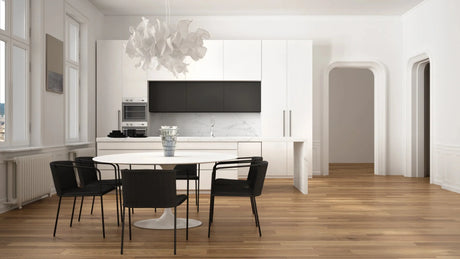
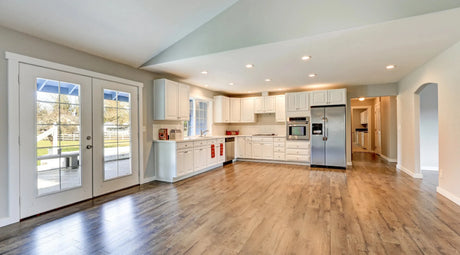
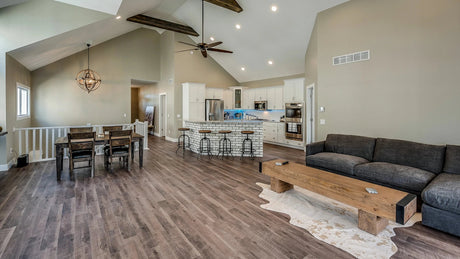
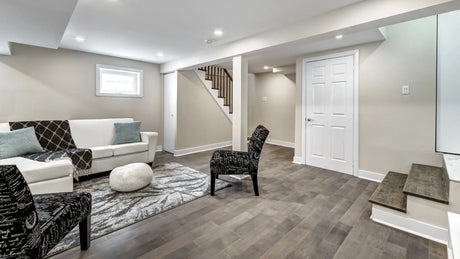
From rustic cabins to sleek interiors, hickory wood flooring adapts beautifully. Its wavy, open grains and golden, bold colour complement modern, traditional, and farmhouse styles alike. Try hickory wood floors in muted spaces with matte finishings, and watch as its dramatic colour variation shines as the room’s focal point.
Where to Use Hickory Hardwood Flooring
Canada homeowners love the rustic warmth, strength and cottage feel of hickory hardwood in their everyday living spaces and dry environments.
Ideal Spaces for Hickory Flooring
Install hickory hardwood floors in living rooms, entryways, hallways, staircases, play rooms and even light commercial spaces. Its strength makes hickory wood flooring perfect for busy, high-traffic areas. While durable and ideal for challenging climates, avoid using hickory in your bathrooms and damp basements. A disadvantage to hickory hardness is its prone nature to warping when absorbing excess water.
Avoiding Common Misconceptions
Some believe maintenance is difficult, but regular sweeping is enough to keep your hickory wood floors looking brand new. While considering hickory pros and cons, note that excessive mopping and dampness can damage natural floors that are not engineered hardwood.
Types of Hickory Hardwood Flooring
Solid vs. Engineered Hickory Flooring
Known for its long lifespan, extreme natural hardness and refinishing opportunities, solid hickory hardwood continues to be popular among families and commercial businesses. Hickory engineered hardwood flooring provides all the same superior qualities of solid hardwood, with added bonus of better moisture resistance, making it ideal for basements and atop concrete floors.
Finishes and Textures
From matte to gloss, smooth to distressed, hickory wood flooring comes in a variety of finishes. Solid hickory hardwood can also be refinished in the future. Enjoy the natural warm tone, and unique vibrance of hickory today.
Installation Considerations
Preparing Your Space
Proper subfloor prep ensures your hickory hardwood flooring does not warp from water damage. Both hickory solid hardwood flooring and engineered options require acclimation.
Maintenance Tips
Sweep regularly and clean gently to preserve your hickory hardwood floors. Avoid excessive water and humidity on natural hardwood floors. With proper care, your hickory wood floor will maintain its beauty for years.