What is Engineered Hardwood?
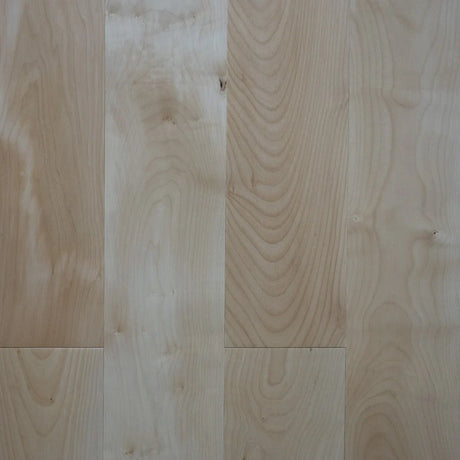
Engineered hardwood is a type of real wood flooring made with a top layer of genuine hardwood and a core of layered plywood or high-density fiberboard. This layered construction adds strength and stability while preserving the natural beauty of wood.
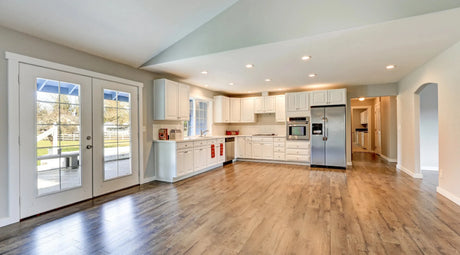
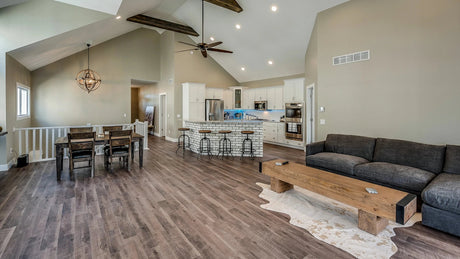
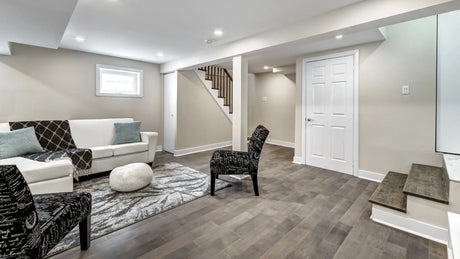
Unlike laminate or vinyl, which only mimic the appearance of wood, engineered hardwood uses a real wood surface—so you get the warmth, grain, and character of traditional hardwood flooring. The layers beneath are designed to reduce movement, making it less sensitive to moisture and temperature changes. That means it’s suitable for a wider range of rooms, including basements, kitchens, and areas with radiant heating.
Hardwood vs. Engineered Wood
At a glance, solid hardwood and engineered hardwood look identical, but they perform very differently.
Solid hardwood is a single plank of wood, which makes it durable and refinishable multiple times. However, it's highly sensitive to moisture and temperature changes, making it prone to expanding, contracting, and even warping.
Engineered hardwood, on the other hand, is made with multiple layers of wood arranged in different directions. This structure gives it dimensional stability—a term that means the flooring resists changes in shape, size, and integrity when exposed to humidity or temperature shifts. In practical terms, it’s much less likely to cup, buckle, or swell over time.
Because of this stability, engineered hardwood is more versatile. It can be installed over concrete, below grade (in basements), or over radiant heat. While it may not be refinished as often as solid wood, many engineered products can still handle at least one or two sanding sessions during their lifetime.
Benefits of Engineered Hardwood
- Real Wood Surface: Unlike laminate, this is actual hardwood on top—not a printed image.
- Dimensional Stability: Thanks to its layered core, it resists warping, swelling, and shrinking due to environmental changes.
- Moisture Resistance: Performs better than solid wood in humid areas like kitchens, basements, and condos.
- Flexible Installation: Can be installed as a floating floor, glued down, or nailed depending on your subfloor.
- Eco-Friendly Options: Uses less slow-growth hardwood than solid wood, reducing waste.
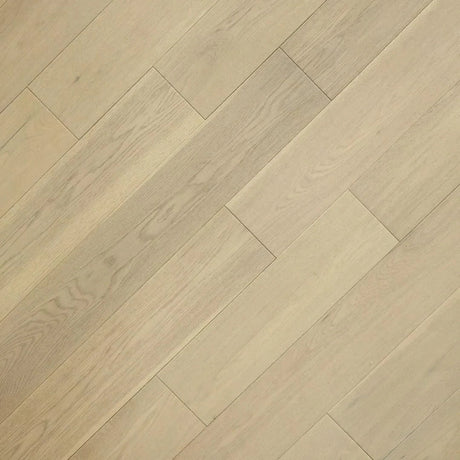
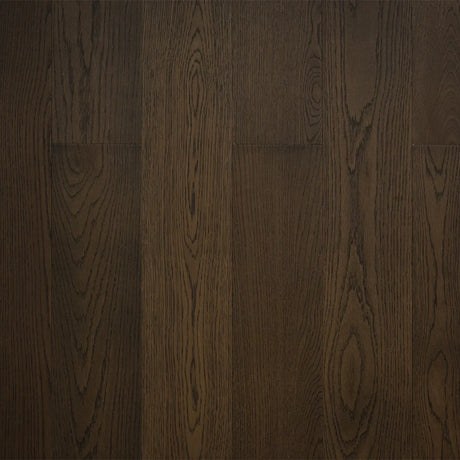
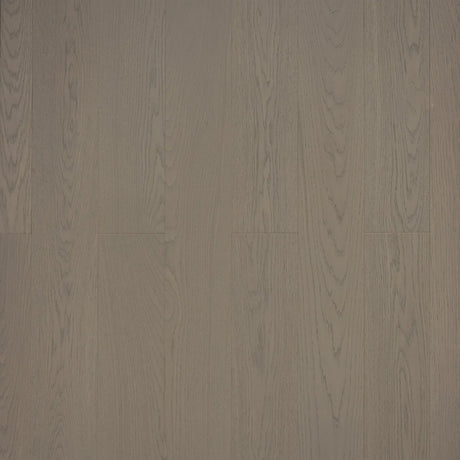
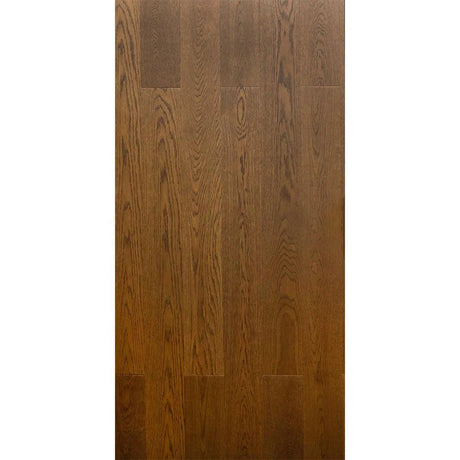
- Variety of Styles: Available in a wide range of wood species, colors, plank widths, and finishes to match any décor.
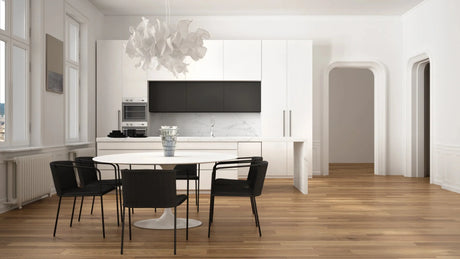
Whether you're going for a sleek modern design or rustic charm, engineered hardwood gives you the look you want with the performance you need.
Installation
Engineered hardwood is known for being easier to install than solid hardwood—and in many cases, it’s DIY-friendly. There are three common installation methods: floating, glue-down, and nail-down.
1. Floating Installation
Click-lock engineered flooring simply snaps together and floats over an underlayment. No glue or nails are needed, and it’s ideal for installing over concrete or existing flooring.
2. Glue-Down Installation
This method involves adhering the planks directly to the subfloor using a special flooring adhesive. It’s more permanent and provides solid sound dampening but may require professional help—especially over concrete.
3. Nail-Down Installation
Best suited for plywood subfloors, this traditional method secures the planks with nails or staples. It’s very stable but takes more labor and the right tools.
Before installation:
- Acclimate the flooring for at least 48–72 hours.
- Make sure your subfloor is clean, level, and dry.
- Always leave a 1/4" expansion gap along the walls to allow for natural movement.
Each installation method has its advantages, and the best one for your project depends on your subfloor, room type, and experience level. No matter which route you choose, engineered hardwood can deliver long-lasting beauty and performance.